
The Ultimate Guide to Forex Trading Success
Forex trading is a dynamic and exciting financial market where currencies are bought and sold. It presents opportunities for traders to profit from fluctuations in exchange rates. Whether you’re a novice or seasoned trader, understanding the intricacies of forex trading is essential for success. In this guide, we will delve into essential concepts, strategies, and tips for thriving in the forex market. To streamline your trading experience, consider exploring trading forex Trading Broker ID, a intuitive platform for traders.
Understanding Forex Trading
The foreign exchange (forex) market is the world’s largest financial market, operating 24 hours a day, five days a week. It involves trading currency pairs, where one currency is exchanged for another at an agreed-upon price. Major currency pairs include EUR/USD, GBP/USD, and USD/JPY, with each representing the value of one currency against another. The forex market is influenced by various factors, including economic indicators, geopolitical events, and market sentiment.
The Basics of Currency Pairs
Currency pairs are categorized into three main types:
- Major Pairs: These pairs involve the most traded currencies, such as the US dollar, euro, and Japanese yen. They tend to have high liquidity and low spreads.
- Minor Pairs: These pairs do not involve the US dollar, featuring currencies like the euro and British pound. They typically have lower liquidity compared to major pairs.
- Exotic Pairs: Exotic pairs consist of one major currency and a currency from a developing economy. Trading them can be riskier due to higher spreads and lower liquidity.
Reading Forex Quotes
Understanding how to read forex quotes is crucial for making informed trading decisions. A quote consists of two prices: the bid price (the price at which you can sell a currency) and the ask price (the price at which you can buy a currency). The difference between these two prices is called the spread. For example, if the EUR/USD pair has a bid price of 1.1200 and an ask price of 1.1202, the spread is 2 pips.
Analysis in Forex Trading
There are two primary types of analysis used in forex trading: fundamental analysis and technical analysis.
Fundamental Analysis
Fundamental analysis involves evaluating economic, social, and political factors that may impact currency values. Key indicators to consider include:
- Interest Rates: Central banks control interest rates, and changes can significantly affect currency values.
- Employment Data: Employment reports help gauge the economic health of a country.
- Inflation Rates: High inflation erodes purchasing power, impacting currency strength.
Technical Analysis
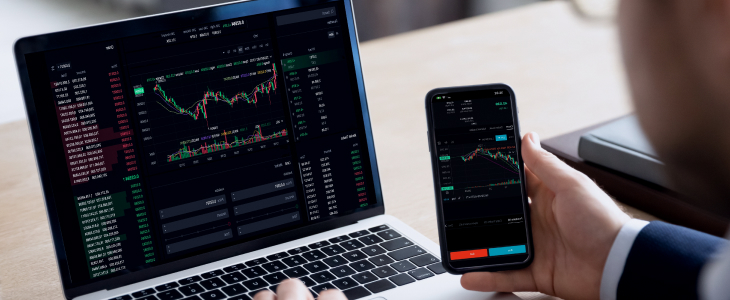
Technical analysis, on the other hand, relies on historical price data to predict future price movements. Traders use charts and various indicators, such as moving averages and relative strength index (RSI), to make their trades. Understanding trends, support and resistance levels, and chart patterns are critical components of technical analysis.
Developing a Trading Strategy
A solid trading strategy is key to achieving success in the forex market. Here are steps to develop an effective strategy:
- Define Your Goals: Establish what you want to achieve through trading, whether it’s supplementary income or full-time trading.
- Risk Management: Determine how much capital you are willing to risk on each trade. A common rule is to risk no more than 2% of your trading capital on a single trade.
- Set Entry and Exit Points: Identify the conditions under which you will enter and exit trades based on your analysis.
- Test Your Strategy: Before trading real money, backtest your strategy on historical data to evaluate its effectiveness.
The Importance of Risk Management
Risk management is vital in forex trading. Due to the market’s volatility, having a risk management plan can help protect your capital. Techniques include:
- Stop-Loss Orders: Automatically close a trade when it reaches a certain loss level.
- Diversification: Spread your investments across various currency pairs to reduce risk.
- Position Sizing: Adjust the size of your trades based on your risk tolerance and market conditions.
Choosing a Forex Broker
Selecting the right forex broker is crucial to your trading success. Look for brokers that offer:
- Regulation: Ensure the broker is regulated by recognized authorities to safeguard your funds.
- Trading Platform: Evaluate the usability and features of the trading platform offered.
- Customer Support: Reliable customer support can help you resolve issues promptly.
Staying Informed and Continuously Learning
The forex market is ever-evolving, making continuous education imperative for traders. Attend webinars, read articles, and participate in trading forums to keep up with market trends and improve your trading skills.
Conclusion
Forex trading offers exciting opportunities for those willing to learn and adapt. By understanding the market, employing effective strategies, managing risks, and selecting a reputable broker, you can increase your chances of success in forex trading. Remember, practice and ongoing education are essential components of becoming a successful trader.
Leave a Reply